
All Resources
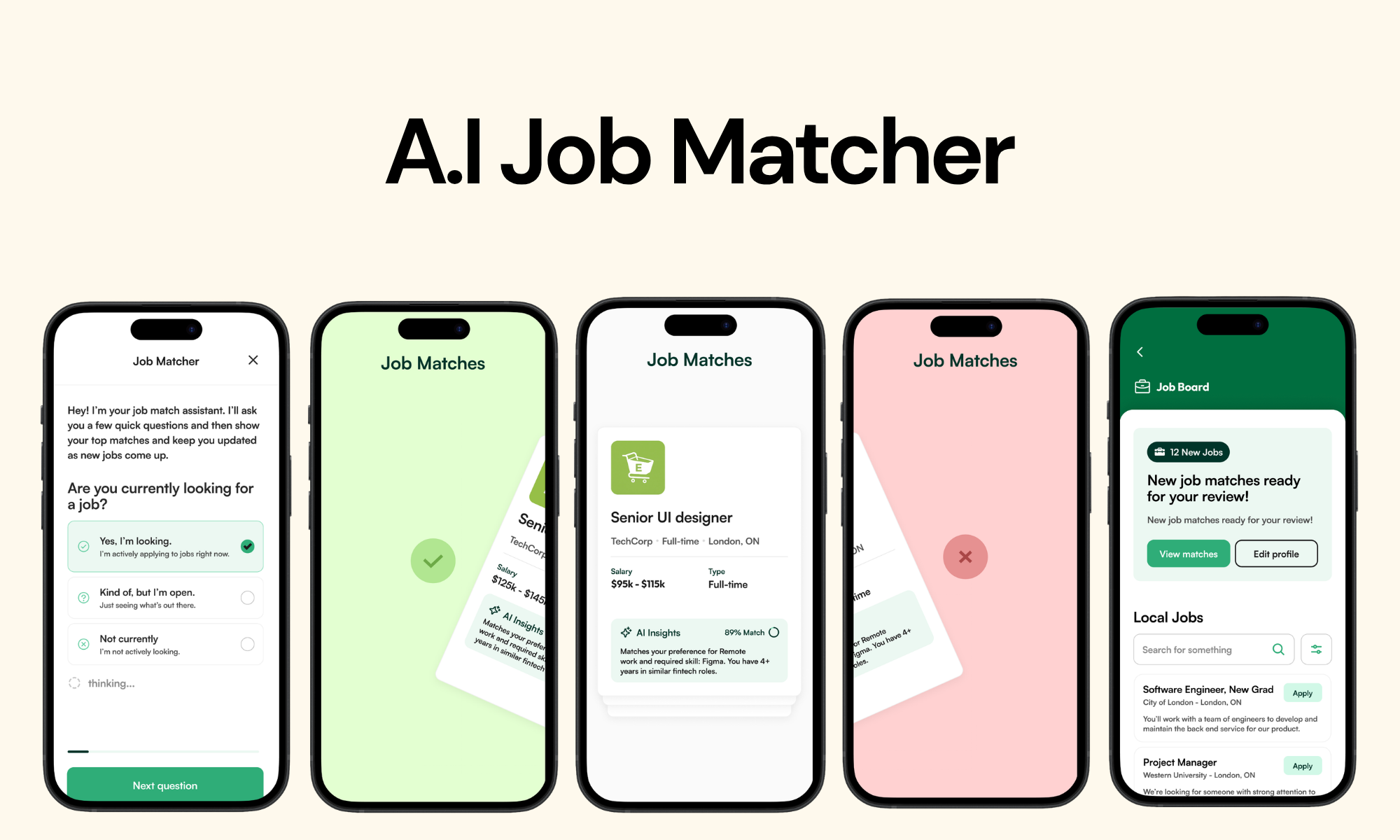
By Liwordson Vijayabalan, CEO, Welcome Platform
Statistics Canada estimates 31 percent of Canadian workers are in jobs highly exposed to AI, in roles where it's more likely to disrupt them than help them. The World Economic Forum expects close to 40 percent of job skills to change by 2030.
I don't think communities are ready for that. Getting them ready is a bigger problem than one app can solve, and probably bigger than any one company. I'll leave that for another post.
But one part lands on our desk. The Welcome Platform builds apps for communitues where economic development and workforce retention are critical. Not to mention our local job boards is one of the most-used features in our apps. Residents come back to it week after week. So that's where can be part of the solution.
There's a bit of an Uno reverse card in what that solution is. We're reaching for AI to meet a challenge AI is creating. It also happens to be useful today, because finding the right work has never been easy. Matching someone's actual experience, skills and education to an opening that fits, close to where they already live, is something job boards were never great at. We think AI can do better.
Job boards focus on your past
Every job board works the same way. You type a title, it returns listings with that title. A logistics coordinator sees logistics coordinator jobs. The system takes what you've done and hands it back to you.
We built the AI Job Matcher to start from where someone wants to go. We still collect education and work history, but we also ask about goals and skills, and the matcher scores openings against all of it. Sometimes that means recommending a job in a sector the person never searched, because the skills line up even though the title doesn't.
Where someone wants to go includes more than a job title. If they want to work in tech, the question is how to get them there from where they are now. If they want to move into business development, the matcher should be angling them toward it. And the environment matters as much as the role: hybrid or in the office, a fast-moving startup or a large stable employer, a place that promotes from within. That all goes into the profile, because a match that's right on paper but wrong on culture is still the wrong job.
We don't know for certain this works the way we think it will. What we do know is that a recommendation outside the norm costs almost nothing to ignore. The downside is small. The upside is someone finding out that healthcare administration wants exactly what they've been doing in a shipping office for eight years.
The thesis
Over time, we think the matcher will predict a good-fit job for someone better than they can themselves.
That's a big claim, I know. The mechanism behind it is ordinary. Matches arrive one at a time and residents swipe, right if it's worth a look, left if it isn't. Anyone who's used a dating app will know the gesture. When a match is a no, they can also tell the in-app agent why. Wrong hours, wrong pay, wrong side of town, wrong kind of work. That reason is saved to their profile and the next round accounts for it. Every no makes the next yes more likely.
The second piece is look-alike profiles. When an industry transitions, a large part of the labour force with similar skills ends up looking for work at the same time. Once the matcher has learned what worked for people with shared skills or experince it can make a confident recommendation to the next person before they've told us much beyond their work history.
Where this goes
Matching is the first half. The second half is helping someone make the move. A match into a new sector usually comes with a gap: a certification, a short training program, a support service that helps with the transition. We want the matcher to point residents to the local program that closes that gap, and eventually to introduce them to people in their own community who made the same career change. That's the version we're building toward.
A year in London Ontario
We launched AI Job Matcher in MyLondon a year ago. Since then, more than 500 residents have opted in. That number is bigger than it sounds. Opting in means completing a second onboarding inside the app, uploading a resume or building a profile in a chat, and telling us what you're open to. Five hundred people in one city chose to do that.
Over the same period we've sent more than 10,000 AI job matches, and residents have clicked through to apply on more than 1,400 job listings in the app.
We're pleased with that as a start, and we're now working on bringing the matcher to more communities across the country.
If you run an economic development or workforce organization and want your community to have an app with this in it, book a demo with our team. We'd like to talk.
---
Sources
- Statistics Canada, Experimental estimates of potential artificial intelligence occupational exposure in Canada, September 2024.
- World Economic Forum, Future of Jobs Report 2025, January 2025.
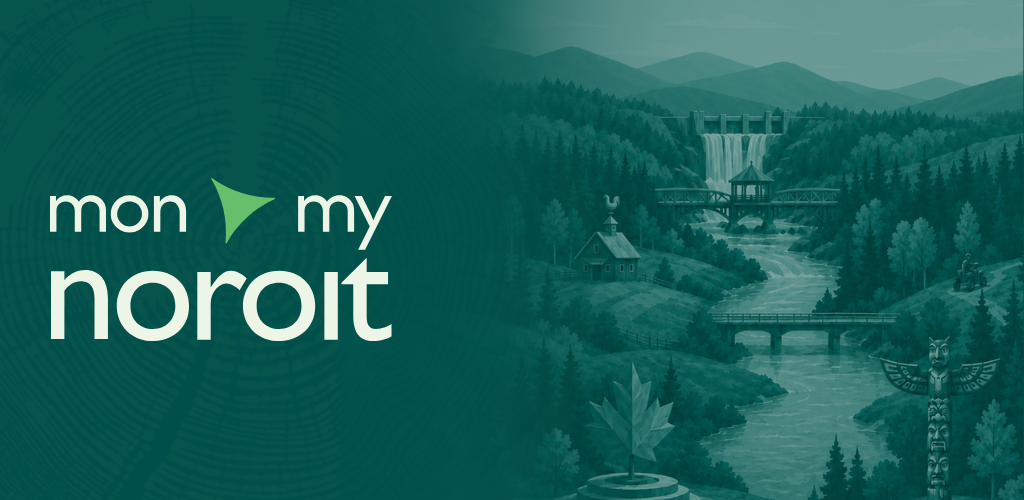
A New Way to Toggle Between Your Community and the Whole Region, and Welcome Platform's First French-First Experience
On Monday, August 3rd, 2026, coinciding with New Brunswick Day, Welcome Platform proudly unveiled MonNoroît / MyNoroit: a groundbreaking new way for residents, newcomers, and visitors to discover and connect with everything Northwest New Brunswick has to offer.
Developed in partnership with the Commission de services régionaux Nord-Ouest (CSRNO) and built with support from Destination Noroît, Mon Noroît brings together everything people need to know about the region into one single mobile platform. From local events and jobs to attractions, restaurants, and scenic routes, Mon Noroît is designed for everyone who lives in, works in, or visits the Noroît region.
MonNoroît is the first Welcome Platform app where you pick your own city or town first, then toggle out to see the whole region.
Your City or Town First, the Whole Region a Tap Away
Mon Noroît is Welcome Platform's first community super app built around a toggle between your own city or town and the region as a whole. Residents pick their home community first, whether that's Edmundston, Grand-Sault / Grand Falls, Saint-Quentin, Haut-Madawaska, Vallée-des-Rivières, the Première Nation Malécite du Madawaska (Madawaska Maliseet First Nation), or the Northwest Rural District, and the app defaults to that community's own local events, jobs, and resources. From there, one tap expands the view out to the entire Noroît region, which together represents a combined population of roughly 48,500 people.
That default-to-your-community, toggle-to-the-region experience is new for Welcome Platform. It gives each city and town its own front door, while still connecting all seven communities as one region.
A French-First App for the First Time
Mon Noroît also marks a first for Welcome Platform on the language side. Every Welcome Platform app supports translation into more than 100 languages, but until now, that content has always originated in English. Mon Noroît flips that: content comes in French first, and the entire setup experience was designed from a French-first perspective from day one, reflecting a region that is overwhelmingly francophone.
That French-first approach extended beyond the app itself. Welcome Platform's in-house creative team produced all of the posters, postcards, banners, and other physical marketing materials for the Mon Noroît launch in French first as well, a new challenge the team rose to meet.
A Strong Regional Partnership
Mon Noroît was built hand in hand with CSRNO, the regional body responsible for land-use planning, waste management, economic and community development, regional transport, public safety, and climate initiatives across all seven communities. CSRNO's role has always been to bring the region's municipalities, rural district, and First Nation together around shared priorities, and Mon Noroît gives that work a front door that residents actually use every day.
On the visitor side, the app was built with support from Destination Noroît, the region's tourism organization, which showcases the Noroît region through themed scenic routes, local stops, and outdoor experiences. By combining CSRNO's community and economic development reach with Destination Noroît's visitor experience in a single app, Mon Noroît connects the region in a way it never has been before: one place for residents to find local services and programs, and one place for visitors to discover the whole region as a single, connected destination.
A New Brunswick Day Launch
The app launched alongside New Brunswick Day celebrations in Grand-Sault. The venue had to be changed the day before the event due to rain, which didn't stop thousands of people from coming through over the course of the day, with the Mon Noroît team connecting with residents non-stop from the moment they set up.
Li, Founder and CEO of Welcome Platform, was on hand for the launch, calling it the chance to join "friends and partners in northwestern New Brunswick" for the debut of the company's first regional super app. Li also met with elected officials and community leaders from across the province throughout the day, including Bertrand Beaulieu (Mayor of Grand Falls), Isabelle Thériault (NB Minister of Tourism, Heritage and Culture), Chuck Chiasson (NB Minister of Transportation and Infrastructure), Mélanie Ruest (Director of Regional Development), and Denis Pelletier (Economic Development Coordinator).
Northwest New Brunswick Leading the Way
Thanks to strong leadership from CSRNO and its member communities, Northwest New Brunswick was the first region to pilot Welcome Platform's new community-to-region toggle experience, giving each of its seven communities its own front door while still connecting the whole region in one place. By investing in shared digital infrastructure instead of building community by community, the Noroît region is setting an example for how regional service commissions can bring their communities closer together without losing what makes each one distinct.
What's Next
Mon Noroît is only the beginning of Welcome Platform's move into toggle-ready community super apps. With this launch, Welcome Platform is proving out a model built for regions like Noroît: every city and town keeps its own front door, with the whole region one toggle away, in the region's own language first.
Download Mon Noroît / My Noroît for iOS and Android, or visit noroitapp.ca to learn more.
Ready to launch your community's app?
Incredibly feasible and built for ambitious communities and regions ready to take their community engagement to the next level. Discover how Welcome Platform makes innovation affordable, accessible, and sustainable.
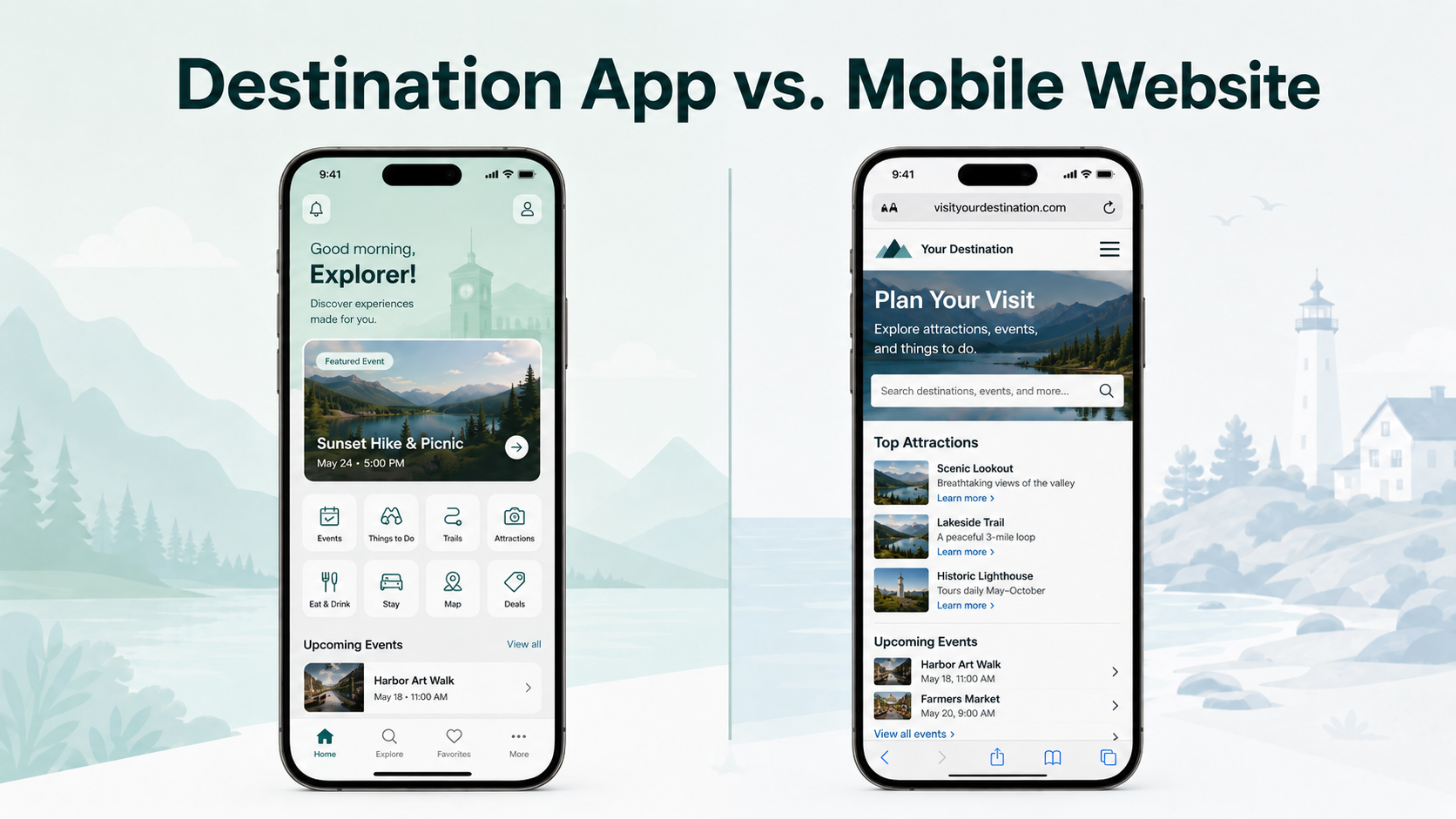
Tourism websites excel at pre‑trip discovery; destination apps excel in‑destination. This guide compares a destination app vs. mobile website so DMO leaders can choose based on outcomes: stronger partner visibility at decision time, easier discovery of local businesses like restaurants and shops, repeat access from the home screen, and re‑engagement between trips.
Destination App vs. Mobile Website: What’s Better for Tourism Organizations?
If you lead a DMO or tourism team, you’re weighing two approaches: rely on your mobile website, or add an app built for in‑destination use. The goal is to turn planning interest into local exploration, partner visibility, and spending once people are on the ground—while staying connected with opted‑in visitors between trips.
What is a tourism website designed to do—and for whom?
A website is built for discovery before the trip. It helps potential visitors compare regions, browse signature experiences, and get the basics—how to get here, where to stay, marquee attractions, and itineraries your team has published.
It serves search‑driven planners, media and travel trade, and residents looking up reference information. It works on any device and is straightforward to maintain as your primary public presence. In market, people can still use your site on their phone, but it often takes more tapping to surface what’s nearby, open, and worth doing right now.
What is a destination app designed to do—and for whom?
A destination app is mainly built for in‑destination moments. It helps visitors orient themselves, find what’s nearby, see what’s on today, and act quickly—where to go, how to get there, and what’s open. Strong destination apps prioritize speed and context: quick taps over deep reading, map‑first views, “near me” and “open now” filters, and clear paths to tickets, hours, and directions.
It also supports pre‑trip choices—letting people preview what’s happening on specific dates and explore neighborhoods—so travel dates, lodging location, and length of stay better match what they’ll actually do. Early install means your on‑the‑ground guide is already in a visitor’s pocket on arrival.
Between visits, opted‑in travelers can receive timely updates about seasonal highlights, new openings, and upcoming festivals—keeping your destination top‑of‑mind, giving partners a year‑round placement channel, and encouraging repeat trips.
How should a DMO compare these options?
Compare a tourism app and a mobile website against outcomes that matter:
- Visitor moments: pre‑trip research, in‑destination decisions, and between‑visit re‑engagement.
- Local discovery signals: near me, open now, today’s events, and timely deals.
- Partner value: visibility at decision time and placements you can describe clearly at renewal.
- Content cadence: updates your team and partners can realistically sustain.
- Adoption dynamics: zero‑install browser vs. installed, home‑screen access and notifications.
- Total cost to launch and maintain, relative to the business outcomes above.
What does a destination app make easier than your mobile website?
| What matters in‑market | Mobile website reality | What a destination app makes easy |
|---|---|---|
| Partner visibility at decision time | Strong for featured stories and static listings; visibility depends on prior discovery | Puts partners beside actions—map, hours, directions, book—at the exact moment visitors choose |
| Nearby discovery | Category pages and search help, but little instant context for what’s close now | Location‑aware browsing with Near Me, Open Now, and map‑first views |
| Today’s events | Listings exist; visitors must find and filter them | One‑tap view of what’s on today or this week to plan before they head out |
| Timely deals | Static offers pages are easy to miss | Shows current local deals right when people are deciding where to spend |
| Updates and alerts | Pull‑based: people return via search, social, or email | Opt‑in notifications for time‑sensitive information |
| Repeat access | Opens in a browser each time; sessions are often one‑and‑done | Lives on the home screen for quick checks throughout a trip |
| Re‑engagement between trips | Relies on rediscovery through campaigns | Keeps opted‑in visitors aware of seasonal highlights and new openings |
| Content cadence | Suits evergreen content and seasonal guides | Suits frequent updates to events, hours, and offers from staff and partners |
| Primary visitor moment | Best for pre‑trip research; usable in‑destination with more tapping | Built for on‑the‑go decisions and wayfinding with fast, tap‑light paths |
Both play a role. If in‑destination activation is a priority, weigh the app column more heavily while keeping the website as your brand and research hub.
Where do the two work together rather than compete?
They complement each other. Your website attracts and informs before the trip; your destination app becomes your on‑the‑ground guide where hour‑by‑hour decisions are made, and helps you re‑engage opted‑in visitors between visits.
A simple pattern: the website promotes the app for in‑destination use, and the app links back to deeper web content for research‑heavy needs and seasonal planning.
Where Welcome Platform is a strong fit
If you decide you need in‑destination support without building from scratch, Welcome Platform is practical digital infrastructure for local access, discovery, communication, and engagement.
- In‑destination engagement that drives local spending: Welcome Platform supports local deals and promotions and local events so visitors see current offers and what’s on when they’re deciding where to go. For your organization, that puts partner activity closer to the moment of purchase.
- Year‑round partner visibility you can describe at renewal: Welcome Platform supports partner, sponsor, and local business visibility, so partners appear alongside decisions—not buried in static pages—making value easier to explain to boards and members.
- Up‑to‑date, easy‑to‑browse directories: Welcome Platform supports local business directories and local events, bringing listings into one place that’s simple to scan by category or relevance. For staff, scattered information consolidates; for visitors, finding options takes fewer steps.
- Better on‑the‑ground visitor experience: Welcome Platform supports destination information for visitors and AI‑assisted answers about local information, so people can orient quickly and ask questions in their own words instead of hunting through pages. That reduces drop‑off when someone just needs “what’s nearby” or “what’s happening today.”
- Staying relevant between visits: With events, offers, and destination information in one place, Welcome Platform gives you content that remains useful after the trip—so opted‑in visitors have a reason to check back for seasonal highlights and new openings.
Explore how this applies to your priorities on the Tourism solution page and the Destination apps page. For program ideas across seasons, see the Events / trails / local discovery pages and the Partner visibility page. If you want examples from peers, review Related destination launch updates.
Frequently Asked Questions
Do we have to rebuild our website if we add an app?
No. Keep your website as the planning and brand hub. Use an app to handle in‑destination discovery and decisions. They work together.
How do we drive adoption of a destination app?
Promote it at natural touchpoints: pre‑arrival email, your website’s visitor pages, QR at visitor centres and partner venues, and event signage. Make the in‑market value obvious: what’s on today, nearby food, and local deals.
What content cadence does an app require?
Plan for weekly updates to events and offers during busy seasons and periodic checks on hours and seasonal categories. Align this with partner workflows to keep it sustainable.
Can we start small and expand?
Yes. Start with core events and business listings, then add deals or seasonal campaigns once partner workflows are established.
How does this help partners and sponsors?
They gain visibility at the exact moment visitors decide where to go, which is easier to explain at renewal time than impressions from a static directory page.
Next step
Learn how Welcome Platform helps communities make local information easier to access. If in‑destination support is on your roadmap, explore the Tourism solution page and Destination apps page, then connect with us on the Contact or demo page to discuss scope and timelines for your destination.

London, Ontario — [February 3, 2026] — Royal Bank of Canada (RBC) has been named Premier Sponsor of the MyLondon App, helping support a free, accessible, and multilingual digital platform that connects residents, newcomers, students, and visitors with essential city and community information in London, Ontario.
Powered by Welcome Platform Technologies and developed with London Economic Development Corporation, Tourism London, Western University, and Fanshawe College, the MyLondon App centralizes essential city and community information into one accessible mobile experience.
As Canada’s largest financial institution based on market capitalization, RBC was selected as the exclusive banking supporter based on shared values around trust, accessibility, and community impact. Through this sponsorship, RBC is supporting the underlying digital infrastructure that enables free and equitable access to essential local information for the entire community. This collaboration reflects RBC’s ability to support a platform that serves residents across all ages, backgrounds, and stages of life and aligns with a shared mission of community prosperity.
“Connected communities thrive,” shares Tanja Wilkins Regional Vice President, London St.Thomas at RBC. “That is why we are sponsoring the MyLondon app – to connect individuals throughout the vibrant city of London, Ontario with the information they need whether pursuing an education, settling in Canada, growing a business, or exploring our city’s vibrant gathering places.”
“RBC represents exactly the kind of collaborator we envisioned…Our vision is to connect communities across the country, in order to make this happen, sustainability is top of mind, and collaborations like this are key to our long-term strategy,” said Liwordson Vijayabalan, CEO, Welcome Platform Technologies. “RBC’s commitment to trust, accessibility, and reaching all Canadians aligns closely with our mission. This pilot collaboration in London demonstrates how essential local digital infrastructure can be sustainably supported, while remaining free and valuable to residents. It’s only going to continue to get better from here!”
From the outset, MyLondon was designed with long-term sustainability in mind. Delivering and maintaining a secure, accessible, and reliable digital experience requires ongoing investment in product development, data accuracy, and accessibility.
Promotional collaborations within the app are intentionally limited and designed to enhance – not disrupt – the user experience, ensuring MyLondon remains useful, relevant, and free for all users.
“We believe strongly in initiatives that help people feel welcomed, informed, and supported in their communities,” said Stephen Mattis, RBC Vice President, Commercial Financial Services. Working with the MyLondon App allows us to support innovative, local technology that makes a real difference—particularly for newcomers and residents navigating essential services. We’re inspired by the long-term vision of Welcome Platform Technologies and excited to be a part of this platform's growth.
RBC’s support represents the first of several planned category-exclusive sponsorships to support the continued expansion of AI tools, local content, and community services within the MyLondon App. This milestone validates the platform’s sustainability model and establishes London as a leading pilot for future community deployments.
“RBC’s collaboration validates the MyLondon model and reinforces London’s leadership in building shared, community-driven digital infrastructure,” said Kapil Lakhotia, President & CEO, London Economic Development Corporation.
As Welcome Platform Technologies continues to scale its network of community apps across Canada, the London pilot will serve as a blueprint for how trusted public-private collaboration can sustainably deliver accessible, equitable, and next-generation local digital infrastructure.
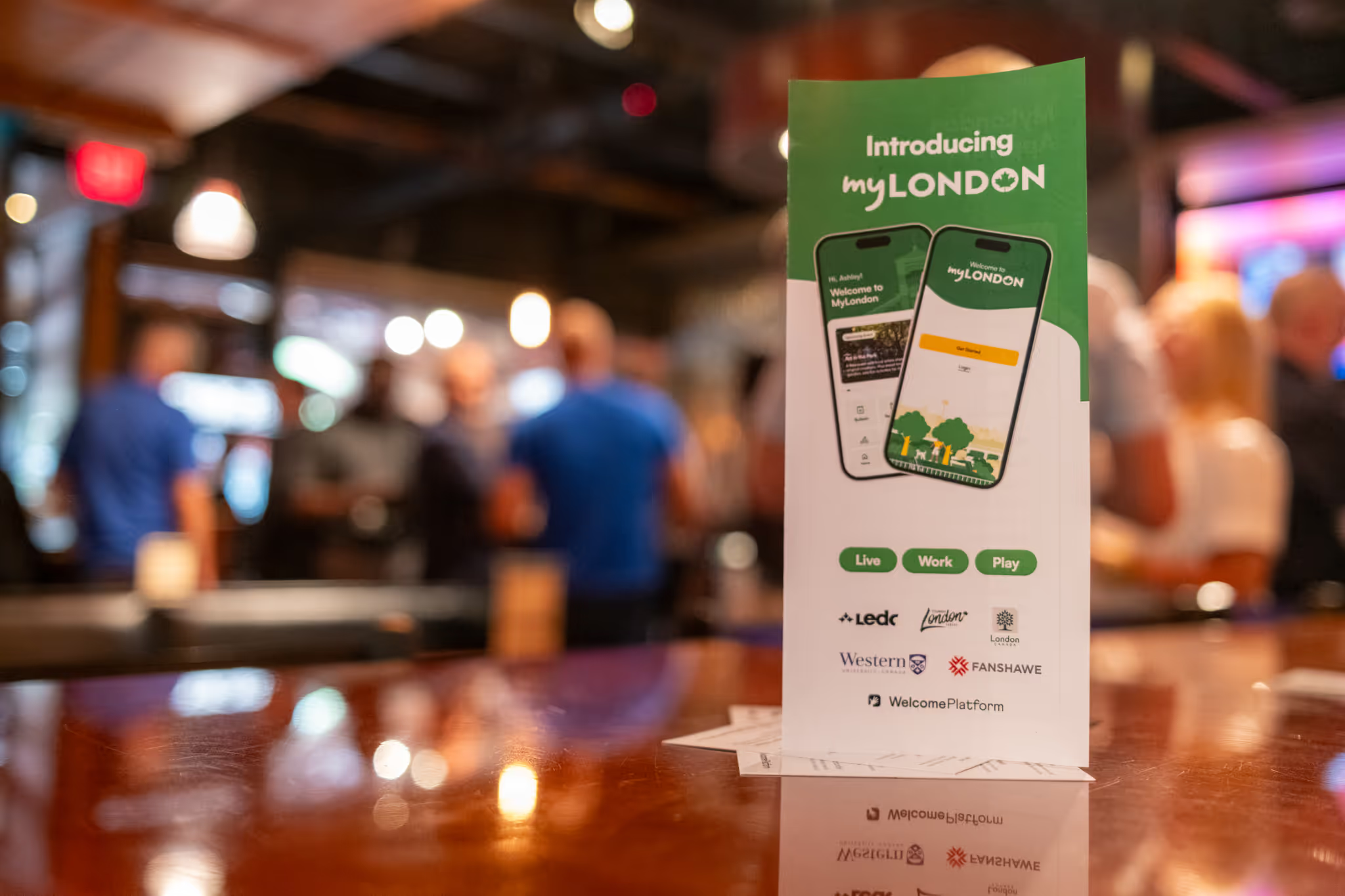
The MyLondon App Officially Launches: A First-of-Its-Kind City App for Everyone
On August 20th, 2025, The Welcome Platform proudly unveiled the MyLondon app—a groundbreaking new way for residents, newcomers, students, and visitors to discover and connect with everything the City of London, Ontario has to offer.
Developed in partnership with the LEDC (London Economic Development Corporation), Tourism London, Western University, Fanshawe College, and the City of London, this first-of-its-kind city app brings together everything people need to know about London into one single mobile platform. From local attractions and events to settlement resources and student supports, MyLondon is designed for everyone.
MyLondon is Canada's first city app designed for everyone—residents, newcomers, students, and visitors alike.
A Milestone for The Welcome Platform
In the past, The Welcome Platform has focused primarily on apps for newcomers, helping individuals and families find the resources they need to settle into Canadian communities. With MyLondon, we’ve taken a major step forward—creating Canada’s first city app designed for all audiences. Whether you’re new to London, here for school, visiting for the weekend, or a longtime resident, MyLondon is built to serve you.
A Strong Launch Event
The launch event, hosted at Toboggan Brewery in London, saw over 200 registrants sign-up to learn about this major milestone. Attendees heard from the CEO of LEDC, the Deputy Mayor of London, Li, the Founder and CEO of The Welcome Platform, and representatives from Tourism London—all sharing their vision for how this app will revolutionize the way people connect with the city.
London Leading the Way
Thanks to strong leadership from the LEDC and the City of London, the community has embraced innovation and shown what it means to be a trailblazer. By investing in new technology, London is setting an example for cities across Canada, proving that smart digital tools can make communities more connected, accessible, and welcoming.
Early Success & What’s Next
Within the first weekend of launch, thousands of users downloaded the MyLondon app—a strong indicator of its value and demand. This is only the beginning. We’re committed to growing the user base, gathering community feedback, and continually improving the app to ensure it becomes the best possible digital companion for the City of London.
And this is just the start. With MyLondon paving the way, The Welcome Platform is preparing to roll out similar citywide apps in multiple communities across Canada.
Visit the MyLondon Website here: https://www.mylondonapp.ca/
Featured articles about the MyLondon Launch Event: